Before the Suit: The ancient roots of tailored dressing
Before tailoring became associated with suits, sharp shoulders, and polished wardrobes, it may have begun with something much more essential: survival.
When we think of tailored dressing, many of us probably imagine a beautifully fitted suit. Maybe a dapper gentleman walking down Savile Row. Maybe a tailor standing nearby with a measuring tape around the neck, carefully noting every proportion before cutting and stitching the perfect fit.
Or maybe we think of the runway — those beautifully constructed garments that seem to glide down the catwalk, shaped by designers, patternmakers, and expert sewers who know how to turn an idea into something the body can actually wear.
That is usually where our minds go when we hear the word “tailoring.”
But what if we started much earlier?
Long before the suit.
Long before the runway.
Long before fashion became fashion.
The word “tailor” can be traced back to the Middle English period, with roots connected to the French word tailler, meaning “to cut.” That feels important because tailoring, at its most basic level, begins with a cut. It begins with the decision to shape material instead of simply drape it.
And that brings us to a fascinating discovery from Oregon.
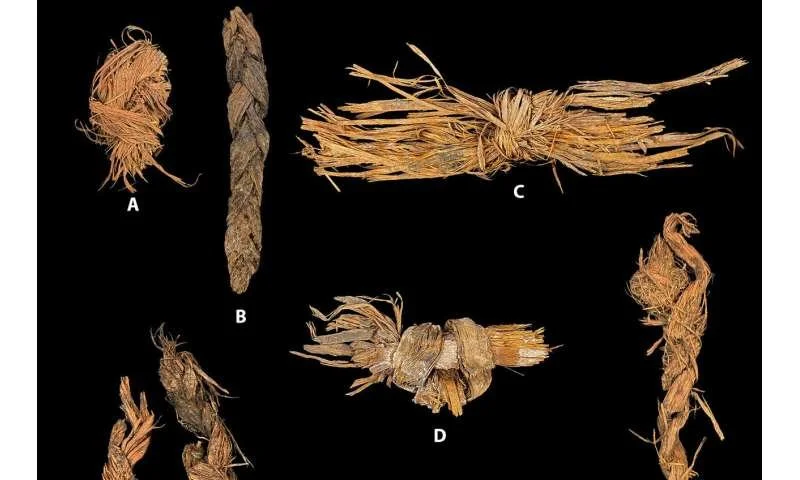
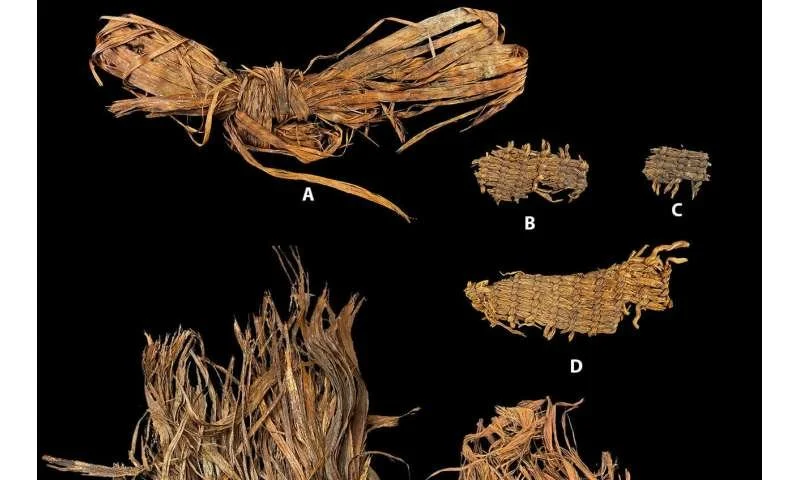
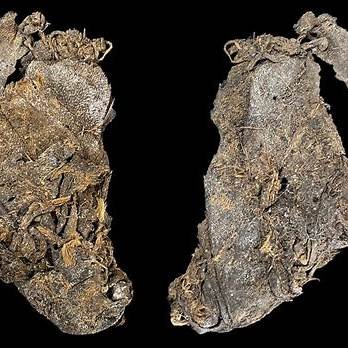
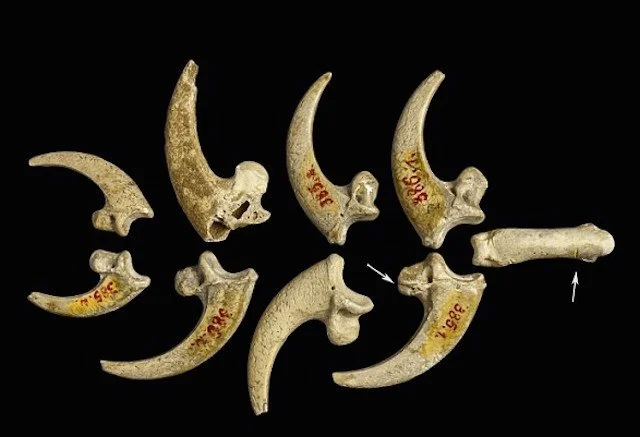
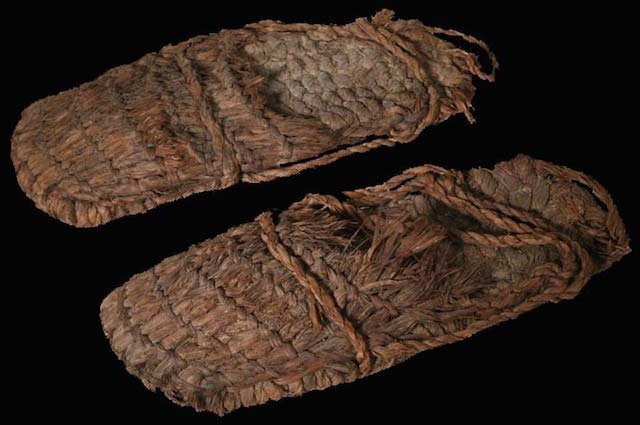
Researchers studying ancient materials from Cougar Mountain Cave and nearby Paisley Caves examined a collection that included bone sewing needles, braided cordage made from plant fibers, and pieces of animal hide stitched together with cord. The sewn hide fragments are believed to be more than 12,000 years old.
The researchers suggest the stitched hide may have been the edge of close-fitting clothing, a moccasin, a bag, a container, or even part of a portable shelter.
In other words, we may not know exactly what the object was.
But we do know this: someone took the time to cut, stitch, join, and shape material.
And that is where this becomes interesting.
Because early people were not simply wrapping themselves in animal hide and hoping for the best. They were making decisions. They were solving problems. They were using tools, technique, and knowledge of the body to create something useful.
That sounds a lot like the beginning of tailoring to me.
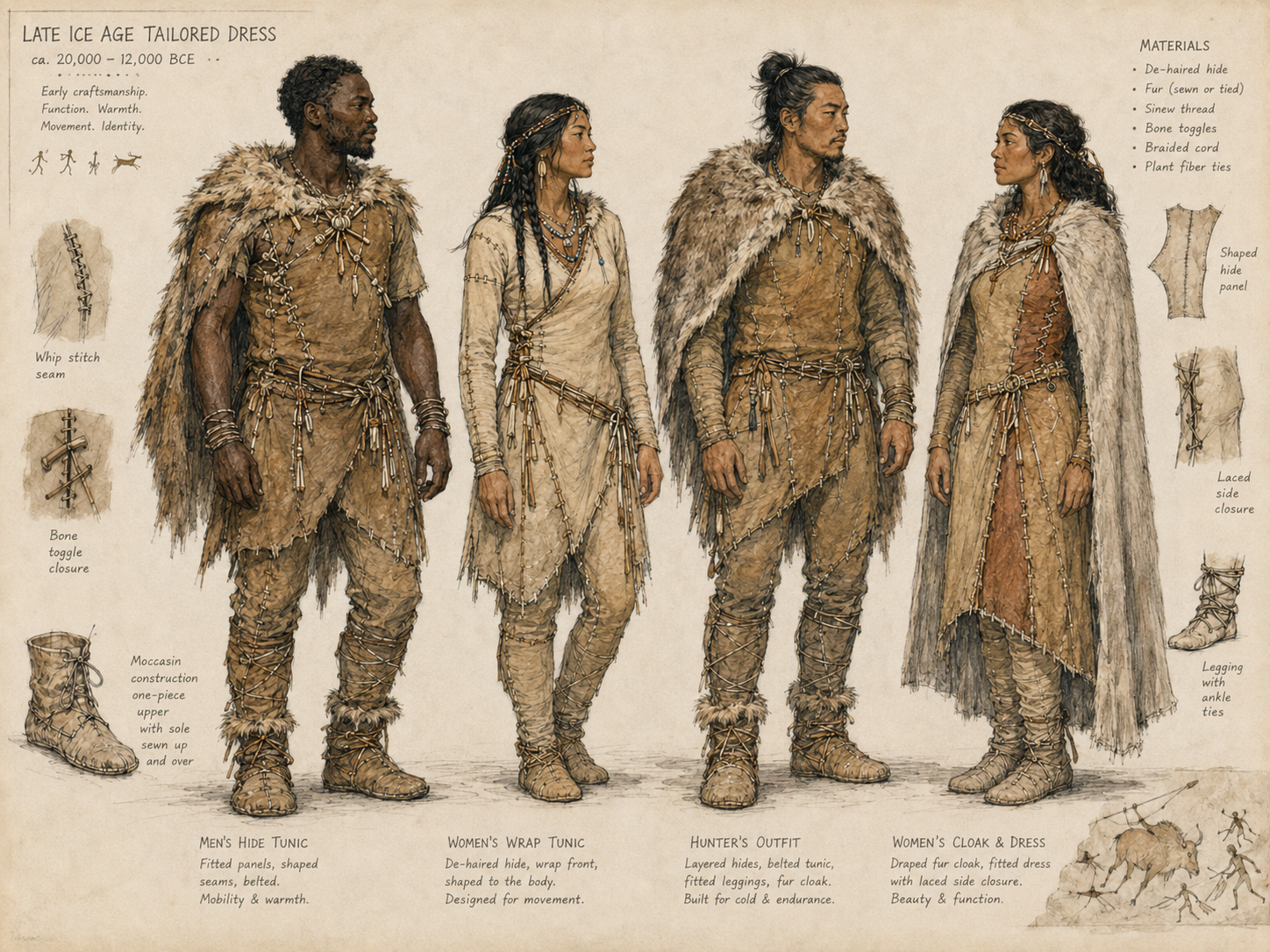
Before tailoring became a symbol of polish and refinement, it began with the body: with warmth, movement, protection, and the careful shaping of material to meet the needs of daily life.
Tailoring Started with Function
Before tailoring became associated with elegance, status, or style, it served a practical purpose.
During the late Ice Age, clothing would have needed to do more than cover the body. It had to protect the body. It had to help people move, work, travel, gather, hunt, carry, and survive in harsh conditions.
A loose hide may have provided warmth, but a closer-fitting sewn garment could offer something more. It could hold warmth closer to the body. It could make movement easier. It could protect vulnerable areas. It could respond to the needs of daily life.
So maybe tailoring did not begin as a luxury.
Maybe it began as a question:
How can this material better serve the body?
Fit Has Always Mattered
This is where the connection to modern tailored dressing becomes so powerful.
Whether we are talking about elk hide, wool, linen, silk, denim, or suiting fabric, tailoring is still about the relationship between the body and the material.
A tailored jacket shapes the shoulder.
A fitted coat holds warmth close.
A well-cut dress follows the body without fighting against it.
A pair of trousers can change how someone walks, sits, stands, and moves through the day.
Fit is not just about looking polished.
Fit is about comfort, movement, protection, purpose, and presence.
And that is what makes these early stitched hide fragments so compelling. They remind us that the desire to shape clothing around the body is not new. It is deeply human.
Tailored Clothing Carries Meaning
Today, tailored dressing often communicates confidence, professionalism, authority, elegance, or self-possession. A sharp blazer can make us feel prepared. A structured coat can make an ordinary errand feel intentional. A beautifully fitted garment can change how we carry ourselves.
But this discovery invites us to look at tailored dressing from a wider lens.
Before tailoring became sartorial, it was practical.
Before it became fashionable, it was functional.
Before it became a sign of taste, class, or personal style, it was a response to environment, climate, movement, and survival.
And yet, even then, clothing was likely never only practical.
Dress has always carried meaning. It tells us something about how people lived, what they needed, what they knew, and how they understood the world around them.
That is what I love about studying dress. A small fragment of stitched hide can open up an entire conversation about the body, survival, skill, culture, and identity.
It also makes me think differently about the tailored pieces we wear now.
The blazer.
The coat.
The structured dress.
The perfectly fitted trouser.
The garment that makes us feel more ourselves the moment we put it on.
Maybe tailored dressing has always been about intention.
Not just looking refined, but making clothing respond to the life being lived.
So here is my question for you:
When you think of tailored dressing, what comes to mind first — polish, power, comfort, survival, identity, or something else entirely?
I’d love to know how you think about it.
And in the next Dress Notes post, we’ll continue this conversation by looking more closely at the idea of early tailoring: what stitched hides, bone needles, and fitted clothing may tell us about the earliest relationship between dress, the body, and human adaptation.